We define technical solutions as products that are not necessarily included in the mold, or for which we can offer different solutions depending on your goals:
This action line aims to improve the quality of the ceramic tile produced by focusing on three key areas:
1. Isostatic Compensation.
We recommend using oil compensation in the mold, either in the punches or the punch plate itself.
2. Earth Load.
It is advisable to work with the earth load in the mold for a more uniform distribution of the atomized powder in the mold cavities.
3. Control Systems.
These systems optimize manufacturing by controlling the density of the product.
Relief punches have been present in the ceramic sector for several years, but their prominence has increased recently, as it is no longer necessary to have contact with the tile when printing the design.
This allows for the use of structured or reliefs with considerable height, achieving depths of up to 10 mm in some cases.
The versatility of this supplement lies in the ease and safety it offers when changing formats.
This supplement attaches to the press’s traverse and consists of a permanent magnet plate with centering and safety systems, allowing for the quick and efficient mounting of a wide variety of plates, both isostatic and traditional.
Reduces format change times.
Reduces the space between the mold and the plate, limiting the thickness of isostatic plates that can be produced.
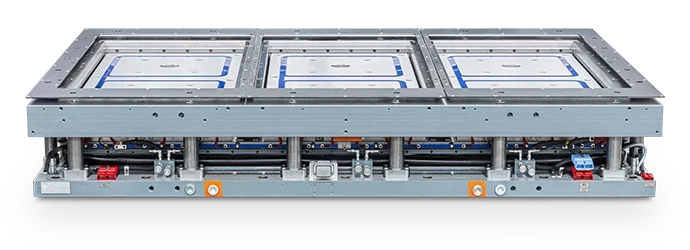
The Macer Isostatic Plate can be installed on almost any type of mold. It has an internal hydraulic system that connects all magnetic blocks, achieving hydraulic compensation that minimizes the number of calibers produced between gaps in the same mold. It also allows for minimal but sufficient tilting to minimize defects such as rings, scratches, etc.


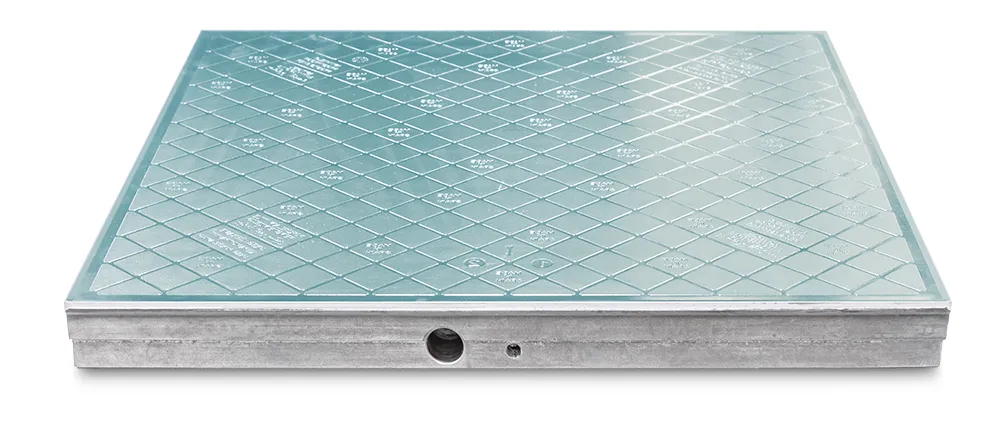
Macer manufactures glass plates for mounting on press feeding carts.
These plates offer better wear resistance, resulting in a longer cycle life and improved working conditions. For added safety, our glass plates are tempered and laminated.
This system ensures continuous loading with less material loss than traditional systems due to the flatness of the glass.
Another advantage of this system is its simple maintenance and cost-effectiveness.
A highly efficient, customized grid designed for each format to ensure uniform load distribution, preventing irregular loading that could later cause warping in the tile.
The interior of the grid features a honeycomb structure. The size and distribution of the cells are crucial for optimal loading.
Available in a standard finish, with the option to replace worn-out elements, or vulcanized, offering greater resistance and thus longer life, but without the ability to replace worn-out pieces.
This type of grid is the most common and widely used in the ceramic sector.
Their function is to achieve as homogeneous a load as possible in the mold cavities.
These grids are designed to:
This system ensures that all ceramic pieces have the same apparent density and caliber, regardless of changes in the moisture content of the atomized powder.
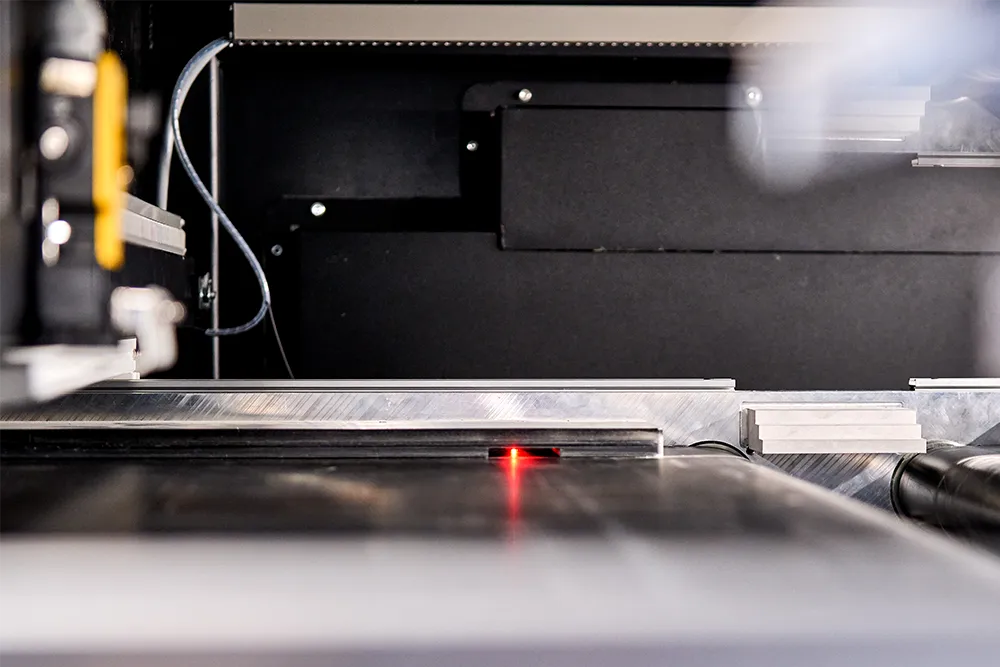
The device continuously and contactlessly measures the moisture of the compacted pieces. Based on the moisture variations, the pressing pressure is adjusted.
The main goal of the moisture pressure control system is to maintain the constant dry apparent density of the pressed ceramic tiles.
This system helps minimize production issues, improve final product quality, reduce costs, and decrease final product storage space.


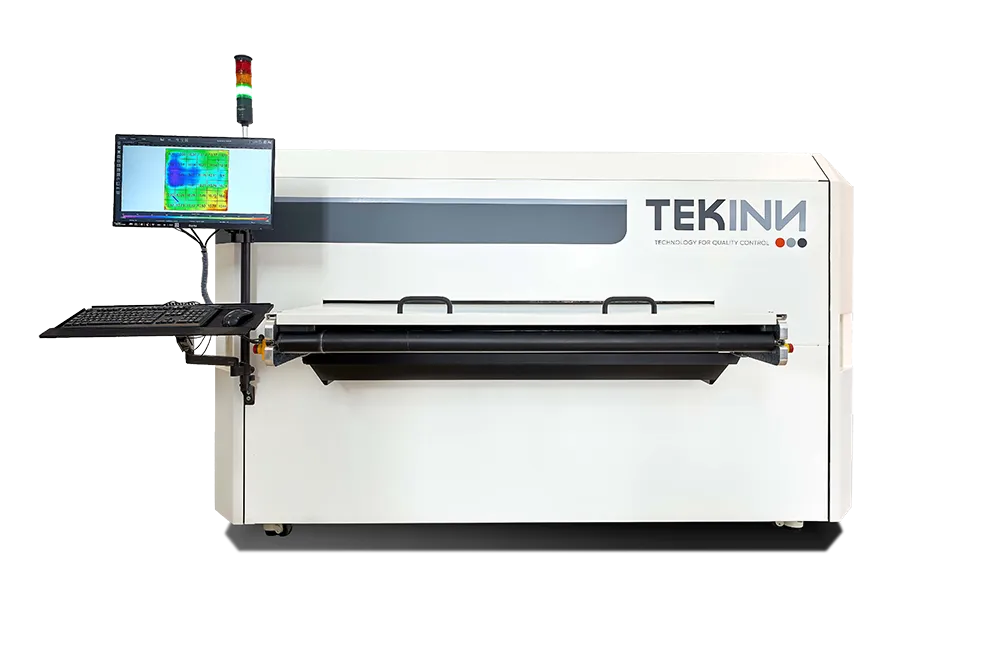
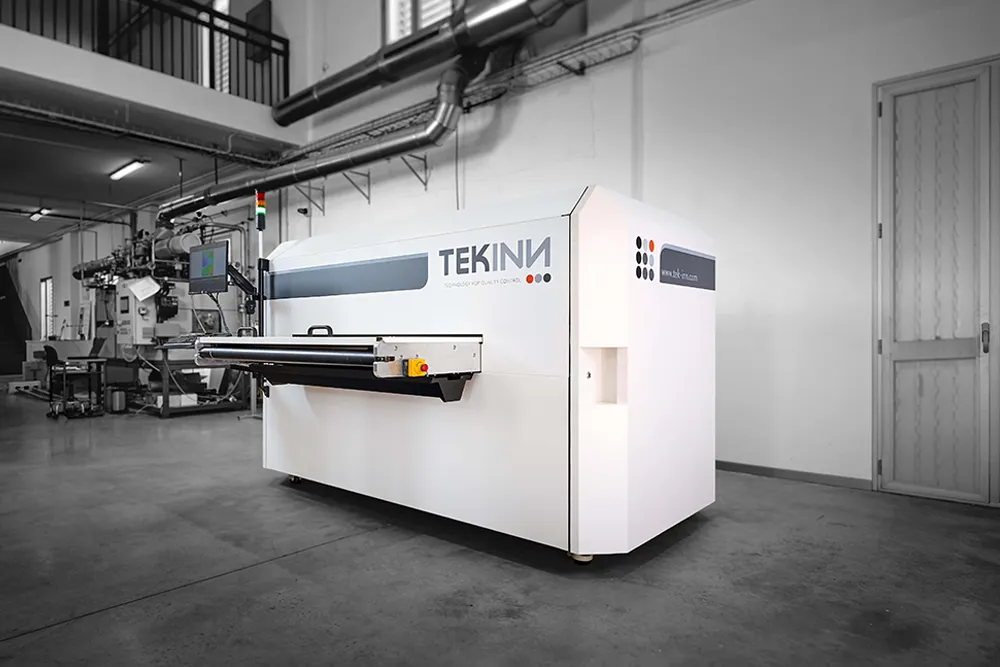
Densexplorer allows for the rapid measurement of apparent density and the construction of density maps through X-ray absorption, suitable for use in inpowderrial plants.
This system is completely safe and capable of obtaining values in areas as small as 1 mm², and scanning pieces up to 110 cm wide, making it the best tool for measuring the apparent density in ceramic tiles.
This action line focuses on extending the lifespan of the mold and its various components by using more durable components or those that allow for easier cleaning inside the mold.
MMD liners are made from a tempered steel support with a coating or tungsten carbide insert.
Tungsten is a metal three times stiffer than steel, denser than titanium, and has a hardness between 8.5 and 9.0 on the Mohs scale, making it almost as hard as diamond.
These liners, whether fixed or removable, have a Rockwell hardness of 75 to 85 HRC in their pressing zone and can withstand between 3 and 4.5 million presses, extending their lifespan by 500%.
The versatility of this supplementary plate lies in the ease and safety it provides when performing format changes.
This supplement is attached to the press crossbeam and consists of a permanent magnet plate equipped with centering and safety systems. These features allow for the quick and efficient mounting of various plates, both isostatic and traditional.
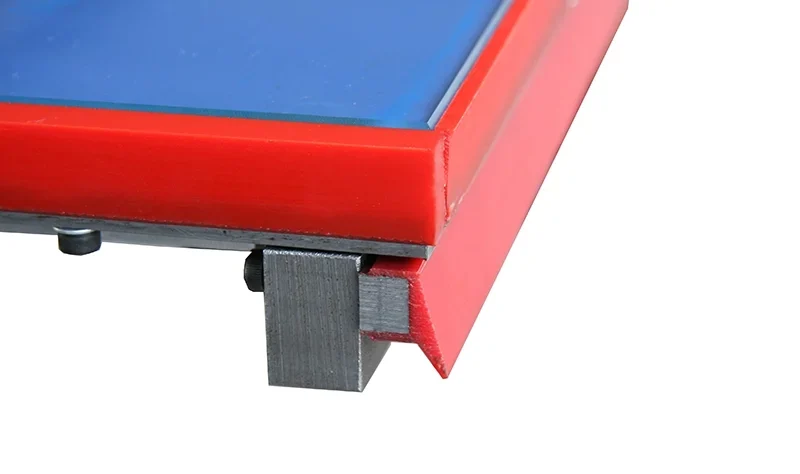
The silicone bellow, like leather bellows, protects the space between the ejection plate and the base plate from the entry of earth.
Silicone is resistant to degradation, repels powder, and does not deform with use.
It is installed around the aluminum angle frame, which protects the bellow from air impacts during the pressing process, providing greater robustness to the system.
By incorporating specific air blowers installed on the expulsion plate or punch plate, these systems move powder deposited during the pressing cycle through air pulses with each press, preventing large powder accumulations.
The displaced powder is then suctioned through the mold’s internal suction system, which is optimized when the mold closes on three sides.
For large molds, die box heating needs to be reinforced due to the larger size requiring more heat input. For this reason, all large-format molds manufactured by Macer come with this type of heating, using a double set of tubular heaters.
The internal heating system is mounted in holes drilled in the die box and mold pieces that come into contact with the punches (magnetic blocks and punch plates).
The standard heating system is mounted on the corners and along the die box, covering the entire perimeter at the bottom. This is more suitable for distributing heat evenly in large-format molds.


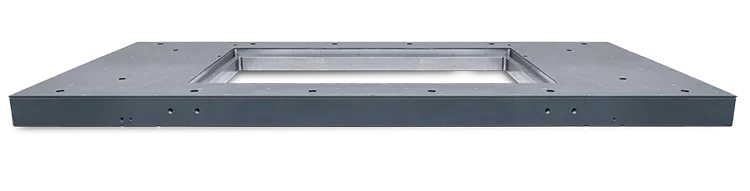
The wear-resistant plate protects the die box surface from wear caused by the feeding cart and the wear produced by the piece when exiting the cavity, extending its lifespan.
Combined with other solutions such as high-wear resistance liners, cleaning systems, and silicone bellows, we can extend the mold’s lifespan, protecting its key components from wear.
This action line is specifically designed to make mold and format changes easier and faster at the press site.
We recommend using components and accessories that reduce changeover times due to their simplicity, making the operator’s work easier and safer.
These liners are removable as a whole within the press, without the need to send the mold assembly to the workshop.
Removable liners allow a single mold to adapt to different formats with a simple liner change. This is ideal for small and medium formats.
These liners have replaced fixed liners in many cases due to the following advantages:
The versatility of this supplementary plate lies in the ease and safety it provides when performing format changes.
This supplement is attached to the press crossbeam and consists of a permanent magnet plate equipped with centering and safety systems. These features allow for the quick and efficient mounting of various plates, both isostatic and traditional.
This hydraulic system is incorporated inside the mold, with one or more hydraulic pistons inside the lower block for punch extraction. When activated, these pistons lift the lower punch above the matrix, making it ready to be moved outside the mold and speeding up maintenance operations.
This system consists of a set of guides designed to move from a loading system to the mold cavity (and vice versa).
The mold must have an incorporated punch extraction system to implement this system.
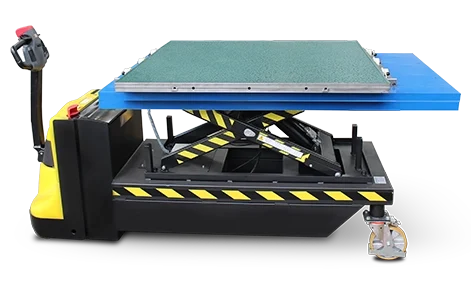
Equipped with a semi-automatic lifting, locking, and handling system managed by the operator. The electric punch plate table is operated via a steering wheel, similar to a stacker or pallet truck, making it very easy and intuitive to use.
This table is designed to be used in conjunction with the punch extraction and sliding guide system, making it simple and safe to extract and insert large-format punches into the mold.
The cart regulator is a system which improves the regulation of press feeder car plates in mould changes.
Conventional systems had more breakdowns, which impeded the process when undertaking it. Thanks to this new system, greater speed and convenience is achieved, providing better operation in mould changes.
This system improves the regulation of the press cart plates during mold changes.
Conventional systems are often complex and prone to failure, so Macer has designed this new, faster, more robust, and more user-friendly system for mold changes.
We continuously monitor the environment to improve our proposal to the customer, through the development of new designs, product improvements and improvements in technical assistance.
We are suppliers of solutions for the ceramic industries, offering customisation and adapting our product to the needs of each client.
We develop our ceramic moulds taking into account the dimensional characteristics, aesthetics and technical possibilities.